
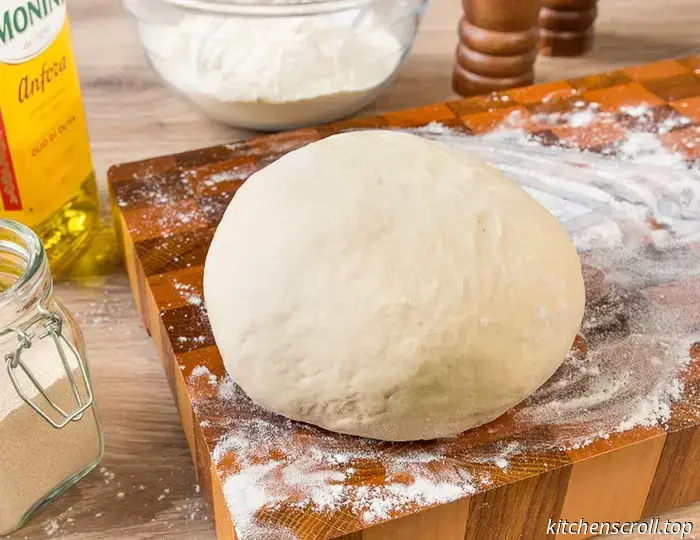
Of all types of dough, yeast dough can safely be called the most popular. We will leave the analysis of all types of yeast dough, the basic principles of working with it, and an explanation of the processes that occur with the ingredients during kneading and proofing for a separate fundamental article. But today I'm sharing a cheat sheet that will allow you to quickly orient yourself in how to knead and mold most types of yeast dough. And get a million thanks from satisfied tasters of your buns or pies. 1. Recalculate yeast correctly. Fresh and dry yeast are interchangeable in recipes. Fresh pressed yeast and dry quick-acting (instant) yeast are substituted in a 3 to 1 ratio. That is, if the recipe calls for 15 g of fresh yeast, you replace it with 5 g of quick-acting yeast, and vice versa. If you use dry active yeast, the ratio will be 2.5 to 1, and instead of 15 g of fresh yeast you should take 6 g of active yeast. 2. Use ingredients at room temperature. Cold ingredients automatically increase the proofing time. Therefore, eggs, milk and other products that are usually stored in the refrigerator, it is better to take out of it an hour before kneading the dough. 3. Do not exceed the temperature of the liquid. If the recipe specifies that you need to heat the liquid (milk or water) for kneading, it is important not to overheat it. At temperatures above 45 degrees, the yeast begins to die. And such a dough either will not rise or will rise badly. For the same reason it is important to cool the melted butter, if it is required by the recipe. 4. Be sure to sift the flour. This allows you to get rid of lumps and foreign objects that may be in the product - in flour, for example, often found lint from bags, ungrinded grains of wheat and other inclusions. Plus you'll be able to achieve a smooth dough consistency faster. 5. Thoroughly knead the dough- It's important to knead yeast dough very well. It doesn't matter whether you use your hands on a table or a hook in a food processor. If the dough is thoroughly kneaded, gluten will develop in the dough and the crumb of the finished baked goods will be more elastic and lighter. Knead the dough for at least 10 minutes. In the end, it should be smooth, without lumps and flecks. But it may still be sticky (this point depends on the specific recipe). 6. Accelerate proofing properly: The optimal proofing option for most yeast doughs is at room temperature. But if you need to speed up the process (or the temperature in your kitchen does not reach 20C), you can put a bowl with dough in a container with hot water. Or cover it with a towel and place it on the radiator. When doing this, remember the 45 degree rule from the third point of this cheat sheet. 7. Form with oil instead of flour. When molding puff pastry, it's better to use vegetable oil instead of flour. Grease your hands and work surface with it. Additional flour can make the dough coarse, "clogging" it. 8. Stretch instead of rolling out. Quite often it is more effective not to roll out a yeast dough piece, but to stretch it with your hands. Such as in this recipe. Lay out the unmolded dough on a work surface, stretch it, gently kneading it in the process, spread out the filling, and roll it up. In this way the dough retains the carbon dioxide from the work of the yeast during the first proofing. In this case, the second proofing will be faster. And the crumb will be lighter. 9. Always proof before baking: Never neglect to proof molded pieces before putting them in the oven or fryer. If you do not let them proof, the crumb will be too dense and the crust will crack and deform with a 90% probability. And finally, answers to the most common question of beginners: Why yeast dough does not rise? a) Low-quality yeast (expired, improperly stored, poor quality product), b) The room is too cold (use the techniques from point 4), c) The yeast was killed by too hot milk (see point 3).



Squid rings in crispy breading - delicious tried and tested recipes, selection of recipes by products, chef's advice, step-by-step photos, shopping lists on VkusnyBlog.Com

For that dreadful weather outside, a warm chicken noodle soup featuring light, tender meatballs, as many noodles as you could wish for, and an assembly time that's remarkable even for a weeknight.

A robust, comforting soup that's perfect for combating the chill of January, featuring strong views on sour cream, chives, and lemon, along with an irresistible crispy topping.
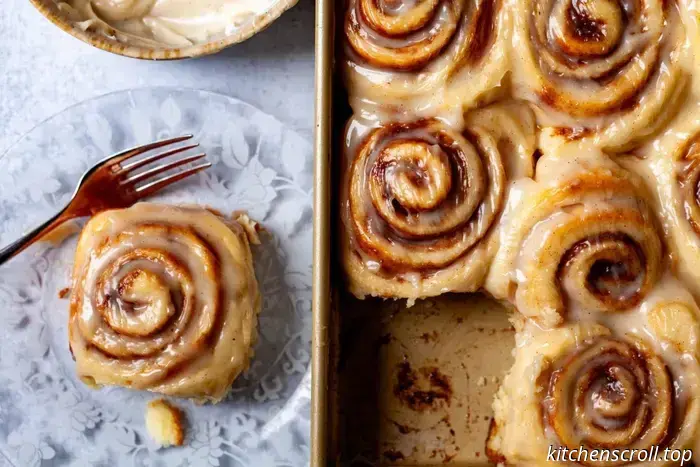
These cinnamon rolls require no kneading, can be easily made vegan, and could be ready from your oven in just a little over two hours.
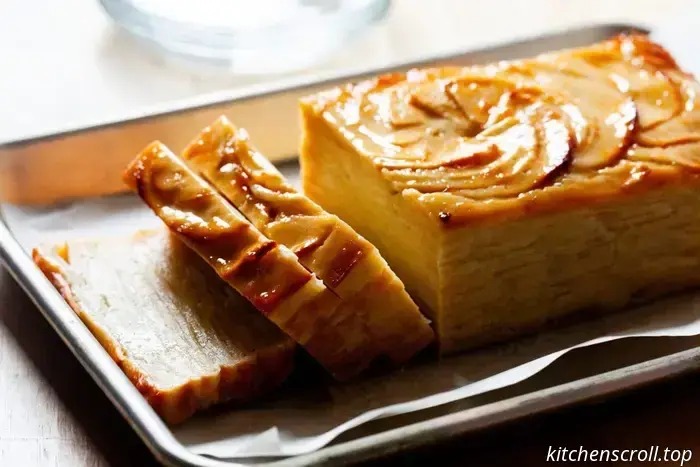
The invisible apple cake (gâteau invisible) is so beautiful that you'd never imagine it's just made of thinly sliced apples combined with a vanilla-studded, lemon-scented crêpe batter.

Hot Cranberry Drink - delicious tried and tested recipes, recipe selection by products, chef advice, step-by-step photos, shopping lists on VkusnyBlog.Com
Of all types of dough, yeast dough can safely be called the most popular. These are buns, pies and cakes, bread, doughnuts, cakes, pizza and much more. Parsing all types of yeast dough, the basic principles of working with it and explaining the processes that occur with the ingredients during kneading and proofing, we will leave for a separate fundamental article. А..