
Recipe preparation:
Source: https://www.vkusnyblog.com/recipe/shafranovyj-kulich/Notes on ingredients:
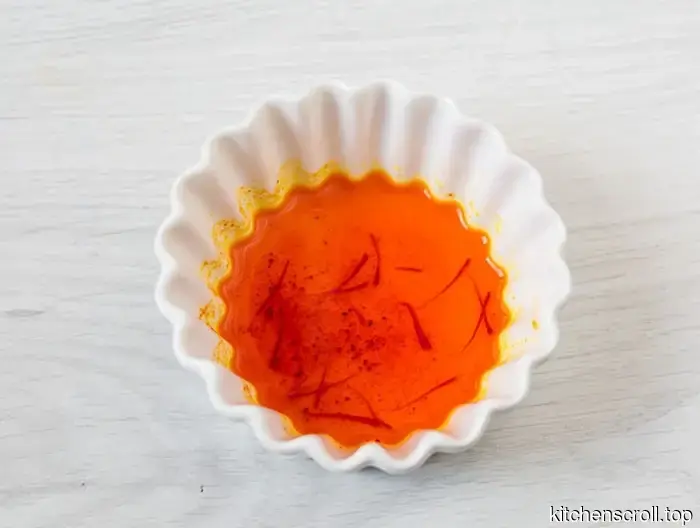
Saffron. I used real Iranian saffron in this recipe, which is made from crocuses. It gives the crumb a characteristic yellow hue and a light aroma. To activate and release the pigment, saffron is soaked before adding it to the dough – in boiling water or, as in this recipe, in alcohol. The second option gives a more pronounced result.
A more budget-friendly Imeretian saffron made from marigolds can also be used. It is also better to soak it beforehand.
Turmeric is not suitable as a substitute due to its very different aroma. Moreover, it is fundamentally a different product.
Brandy. It is used for soaking and additional flavoring of dried fruits. Dark or golden rum can be used as an alternative.
If you do not consume alcohol, you can soak the dried fruits in orange juice.
Dried fruits. For this kulich, I used raisins and candied pineapple. You can also add other dried fruits to your taste – apricots, cherries, cranberries, figs, prunes.
Nuts. For this kulich, walnuts, pecans, roasted hazelnuts, pistachios, and cashews are suitable. Almonds may be a bit too hard in texture.
Yeast. The recipe calls for dry yeast. They can be replaced with pressed yeast – you need to use three times more than dry.
Milk. Milk of any fat content is suitable for the dough.
Butter. In this case, butter with a fat content of 72% and above can be used.
Flour. The recipe is designed for regular premium flour with about 10% protein. Bread flour can also be used, but keep in mind that it absorbs more liquid, so you will need to slightly adjust the amount.
It is better to add flour in parts to ensure that the consistency of the dough is as it should be.
Sugar. In the case of kulich, sugar is not just food and fuel for the yeast, but also a source of sweetness necessary for such baking. If you like your kulich sweeter, you can slightly increase the amount. I do not recommend reducing it.
Eggs. This kulich is made with yolks. This composition makes the crumb the most tender. With whole eggs, the kulich will be firmer.
Cardamom. Together with saffron, it creates a special aromatic profile for this kulich. If you do not have cardamom, you can bake the kulich without it, but it will differ slightly in aroma.
Let's move on to the preparation.
A few hours before cooking, soak the saffron in vodka, cover, and leave it.
Soak the raisins and candied fruits in 50 ml of brandy and also leave them.
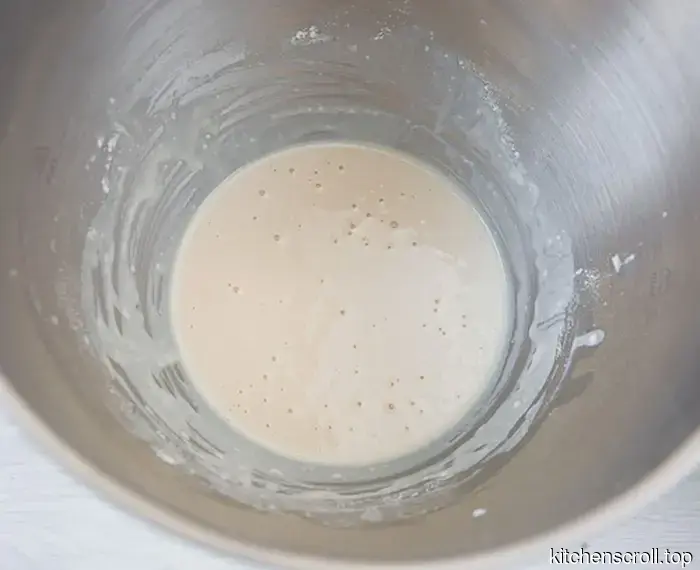
Make the sponge. Dissolve the yeast and sugar in warm milk, add flour, and mix.
Leave in a warm place for about 30-40 minutes for the yeast to activate. The mixture will increase in volume and bubble.
Melt the butter and let it cool to a warm state.
Beat the yolks with sugar until white.
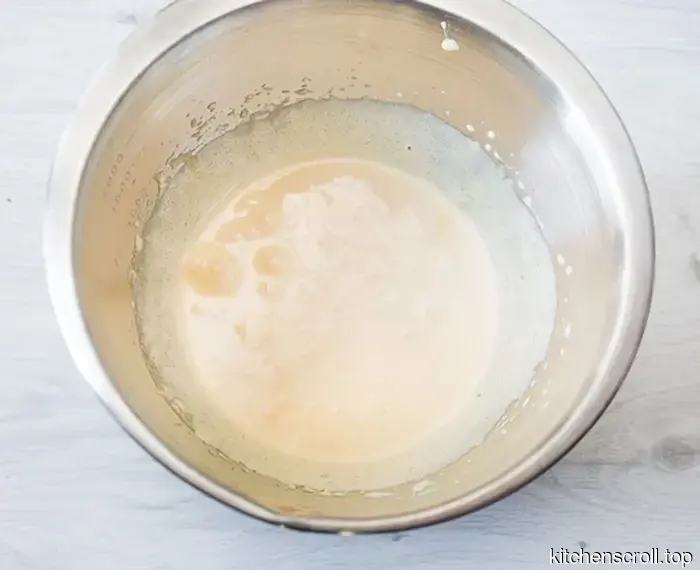
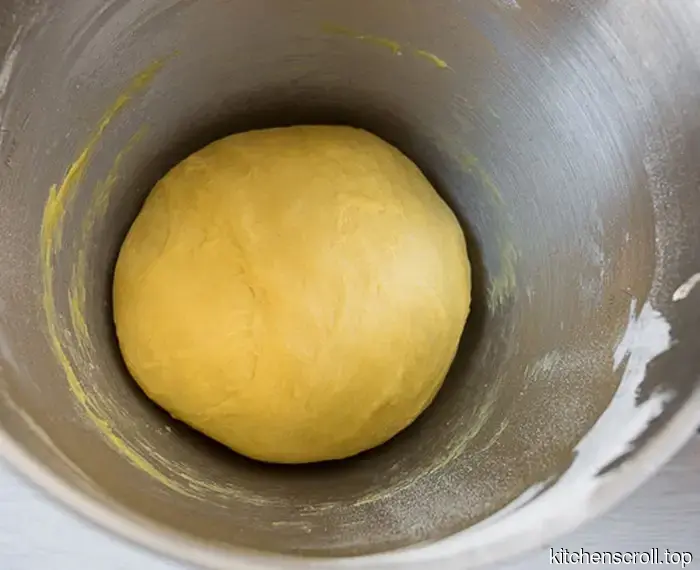
Add the yolks, butter, cardamom, salt, and saffron with the alcohol to the fermented sponge. Mix. Gradually add sifted flour and knead a soft dough. Regarding the correct consistency, someone wise said that the right yeast dough should be “as soft as a sleeping cat's belly.” We will follow this rule 🙂 .
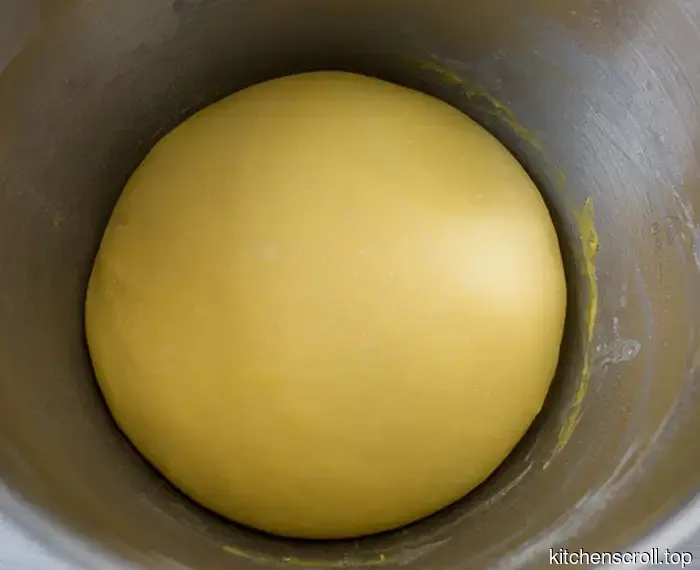
Cover the dough with a towel and place it in a warm place to rise. Mine stood at room temperature for about two hours while I was doing my own things. The dough should rise at least twice:
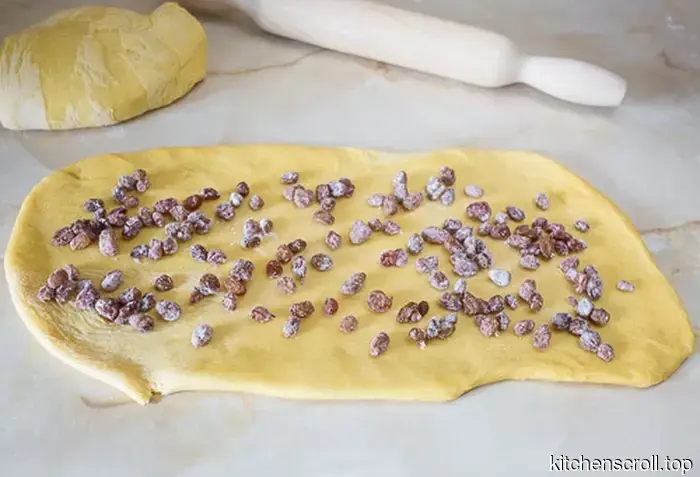
Dust the raisins and candied fruits soaked in alcohol with flour and mix.
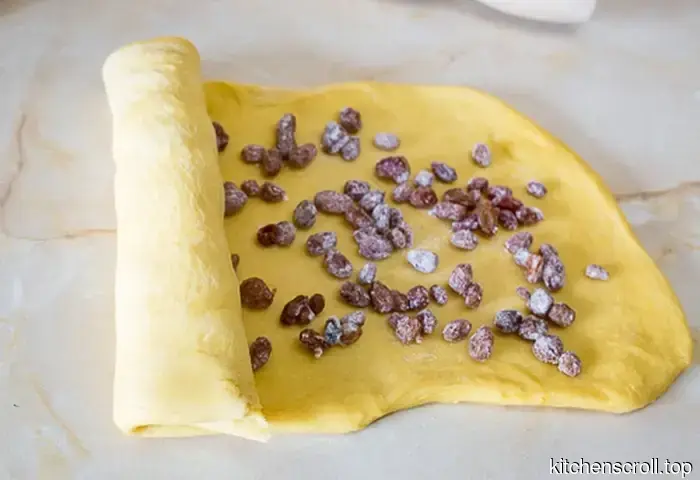
Knead the dough and divide it into 2 parts. Stretch each part, place the fillings on top.
Roll it up like a roll.
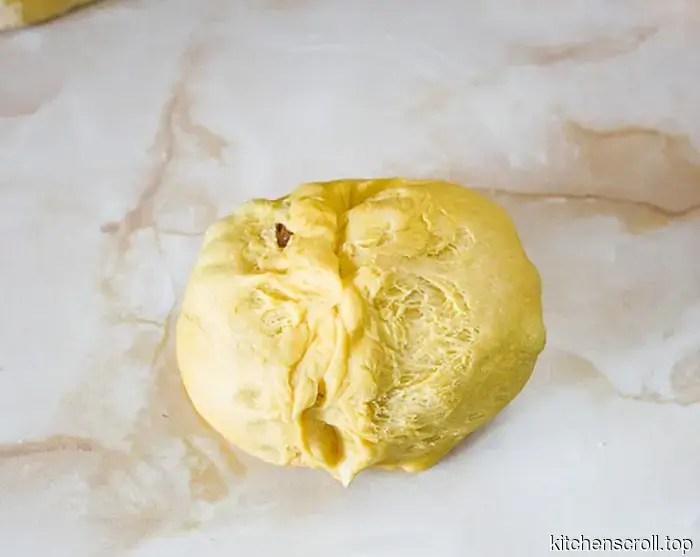
Fold the edges down, pinch the seams, and shape it into a ball.
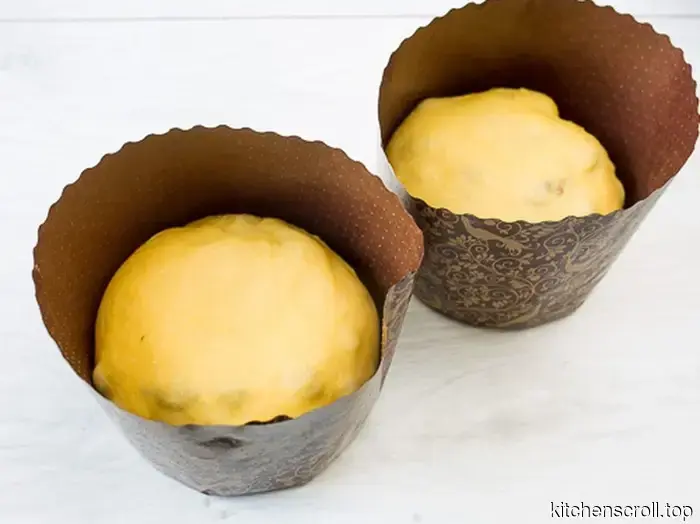
Place the dough in molds – they should be filled about one-third.
Let it rise for 40-60 minutes in a warm place until it triples in volume. Then place it in a preheated oven at 180 degrees and bake for 30-35 minutes, until a dry skewer comes out.
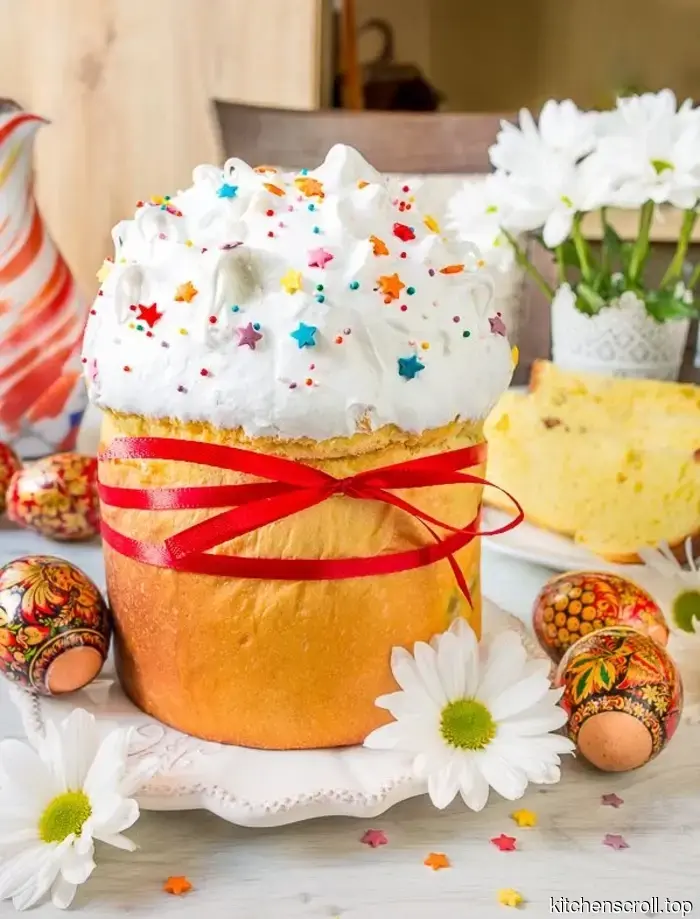
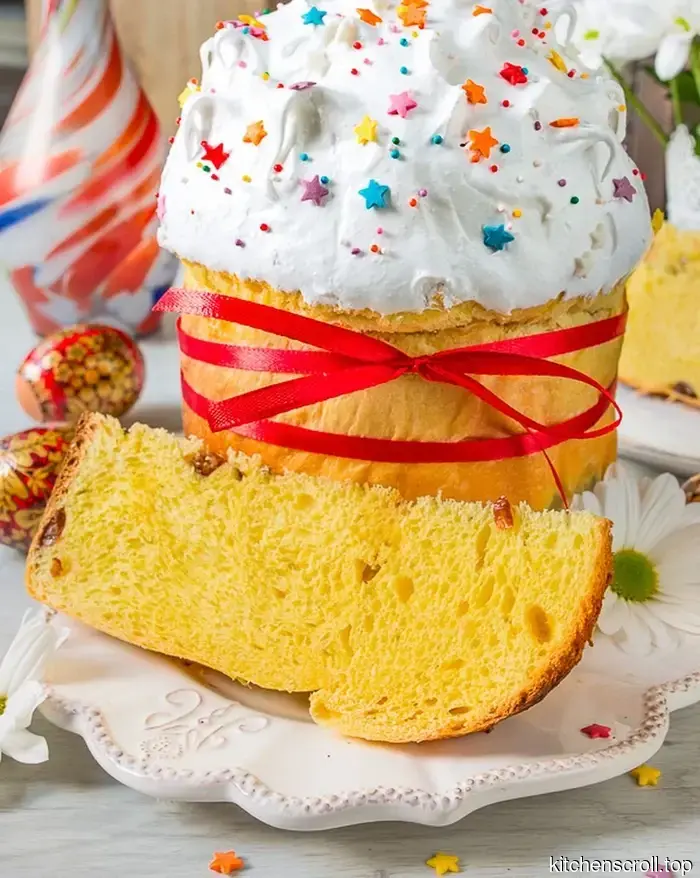
Cool the finished kulich and cover it with icing (if desired). I have collected icing recipes for kulich in one post. Choose according to your taste 🙂
In cross-section, it turns out bright yellow 🙂
Enjoy your meal and happy holidays!
This recipe for Easter saffron kulich has been tested and prepared by chef Tatyana Nazaruk - author of the Tasty Blog.
Want to say thank you? It's easy!


Easter saffron kulich - delicious tested recipes, selection of recipes by ingredients, chef consultations, step-by-step photos, shopping lists on VkusnyBlog.Com